
"National Pension Allowance Increase in 2025 - How Much Will It Go Up?"
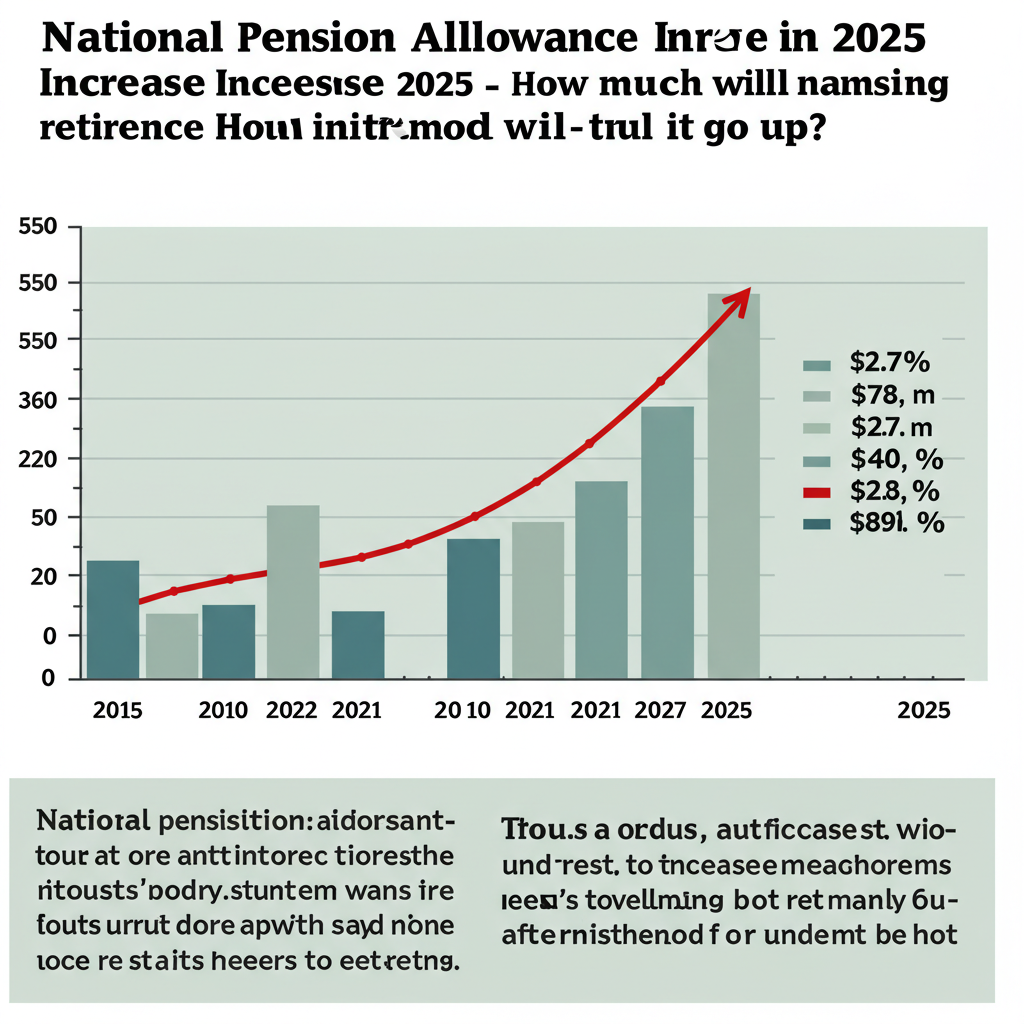
As we approach 2025, there is growing anticipation regarding the expected increase in National Pension Allowance. Economists and analysts alike are delving into the potential implications of this adjustment for both retirees and the broader economy. Understanding the anticipated Impression range is pivotal, as it will not only affect the financial wellbeing of numerous citizens but also shed light on the underlying policy shifts driving such changes. Moreover, the disparity in allowance levels based on Income level raises important questions about equity and sustainability within the National Pension System. With proposed Reorganization plan on the table, the landscape of national pension is evolving, making it crucial to stay informed about these significant developments.
Expected increase in national pension benefits in 2025
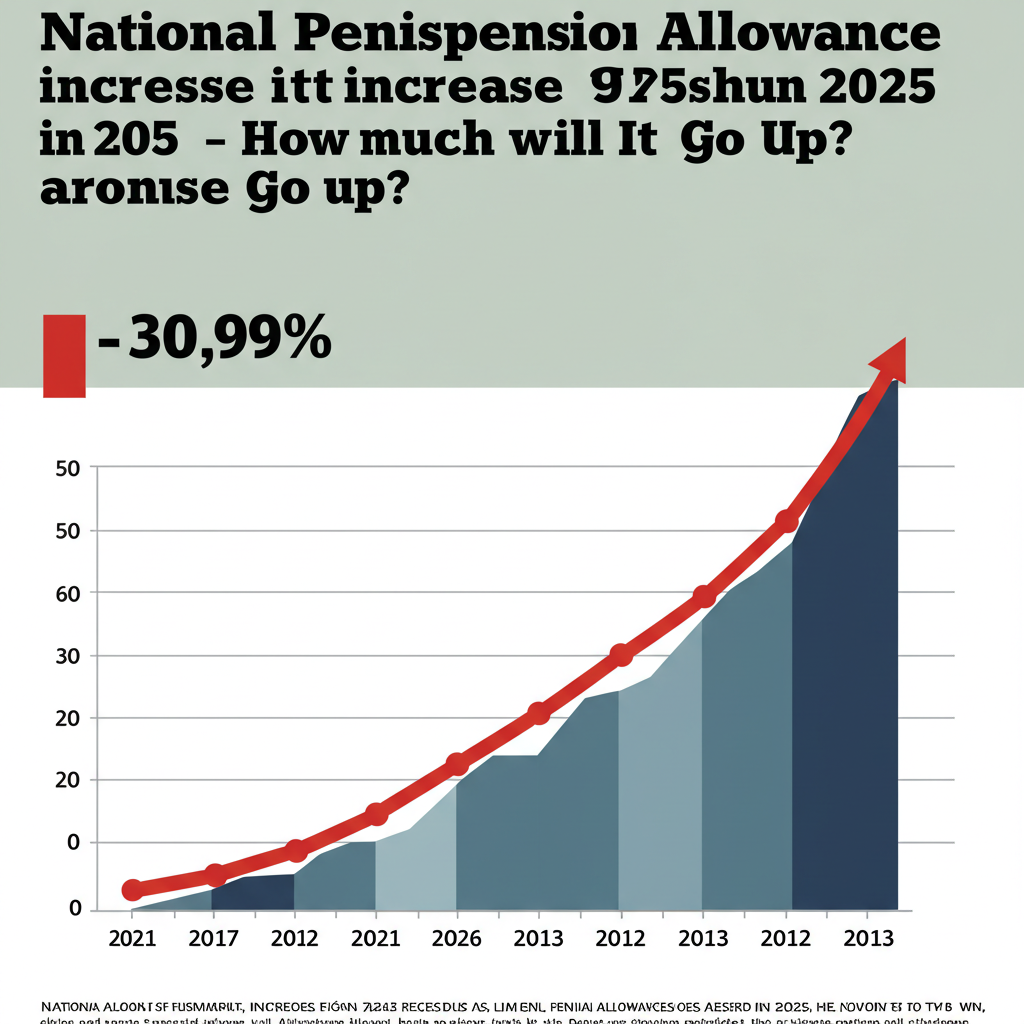
As we approach the year 2025, discussions surrounding the potential increase in the National Pension Fund allowances are intensifying. Recent analyses suggest that the expected increase could range from 3% to 5%, which, though seemingly modest, could significantly impact recipients’ financial stability. With the current average monthly pension payment sitting at approximately 500,000 KRW, a 4% increase would translate to an additional 20,000 KRW in monthly support! 🎉
Factors affecting the impression width
It's essential to understand the factors influencing this anticipated adjustment. Economic indicators such as inflation rates, wage growth, and demographic shifts play a critical role. For instance, if inflation continues to rise at the current rate of 2.5% annually, the purchasing power of pension recipients could diminish without a corresponding increase in the allowance. Economists are projecting that the Consumer Price Index (CPI) may reach an index value of over 110 by 2025, thus reinforcing the necessity for a well-timed increment in benefits.
demographic changes
Moreover, the demographic landscape must be closely monitored. With an aging population and a declining birth rate, the ratio of workers to pensioners is shifting. Currently, the dependency ratio sits at around 15% and is expected to exceed 20% by 2030. This scenario necessitates a robust discussion among policymakers regarding sustainable funding for the pension system – ensuring that increases in allowances do not compromise the fund's long-term viability. 🚀
Government reform efforts
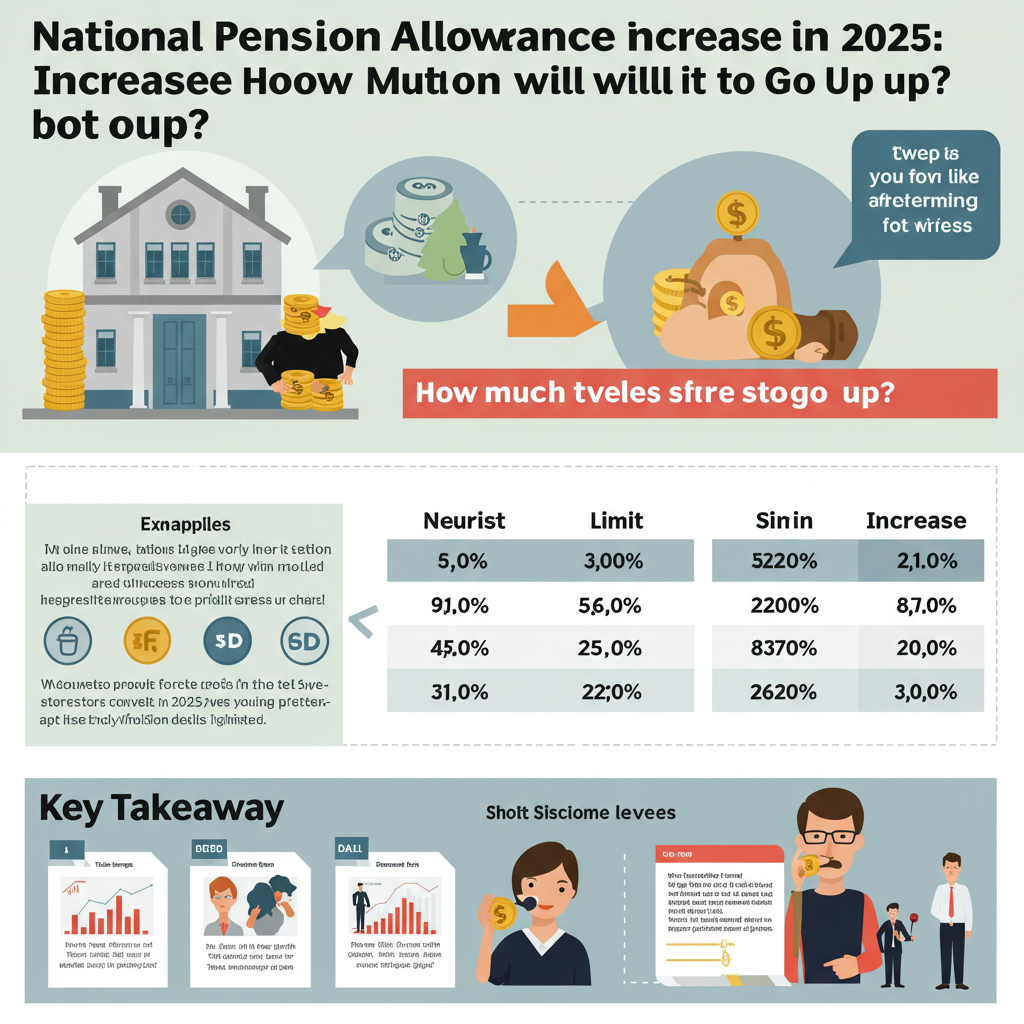
In addition, the government's ongoing efforts to reform the pension system cannot be overlooked. Recent proposals aim at equalizing benefits across various income brackets, ensuring that low-income recipients receive a fair share. If these reforms are passed, lower income groups could see an increase of up to 6% in their allowances compared to higher-income groups, who might experience a rise of only around 2-3%. This layered approach to pension increases highlights the government's commitment to equitable distribution, but also presents challenges in balancing the overall budget. 📊
In conclusion, while the exact figures for the 2025 National Pension Fund allowance increase are yet to be finalized, all indicators point toward a necessary adjustment that reflects economic realities, demographic shifts, and reform-driven priorities. The government must tread carefully, as this decision will have far-reaching ramifications for future retirees, necessitating a delicate balance between enhancing immediate benefits and ensuring long-term sustainability. The conversation continues, and it’s imperative for stakeholders to remain engaged and proactive! 🌟
Background on the increase in national pension benefits
The background of the upcoming increase in national pension benefits for 2025 is multifaceted and rooted in both economic and demographic shifts. As of 2023, South Korea's aging population is a critical factor influencing pension policies. According to the National Statistical Office, the proportion of elderly individuals (aged 65 and over) is expected to rise to approximately 20% by 2025! This significant demographic change places increased pressure on the pension system, highlighting the need for substantial adjustments to maintain financial stability.
Economic Conditions and Pension Benefits
The decision to raise the national pension benefits is not just a response to demographic trends; it is integrally connected to changing economic conditions. The Consumer Price Index (CPI) has shown a steady increase over recent years, resulting in higher costs of living and undermining the purchasing power of pensions. Specifically, inflation rates have averaged around 2% annually since 2020, with projections indicating a potential spike due to various global economic factors. Such financial realities necessitate that the National Pension Service (NPS) recalibrates its benefit structure to ensure the sustainability of incomes for its beneficiaries.
Government Initiatives
Moreover, recent government initiatives aim to enhance social welfare, emphasizing the importance of financial security for the elderly population. Among these initiatives is the proposed "Basic Pension" plan, which seeks to augment the existing national pension with additional funds for low-income seniors. This strategy aims to combat poverty among the elderly, who are particularly vulnerable to economic fluctuations. In light of this, the Ministry of Health and Welfare has outlined plans to gradually increase pension benefits, potentially translating into substantial increases of up to 10% for many recipients by 2025! 💰
Past Reforms and Future Needs
Furthermore, the last reform of the national pension scheme in 2018 included measures to redirect more funds towards pension payouts, setting the stage for expected increases in forthcoming years. Statistically, around 29% of retirees currently rely solely on national pension benefits, underscoring the dire need for improvements in income security! With an increasing number of individuals facing retirement with inadequate savings, it becomes evident that policy adjustments are not merely desirable but necessary.
Commitment to Welfare State
Another significant driver for the increase in national pension benefits is the government's commitment to enhancing the overall welfare state. As more nations around the world grapple with aging populations and economic inequality, South Korea has positioned itself to lead by example in welfare reforms. The 2025 national pension adjustment serves as a testament to this commitment, signaling the government's acknowledgment of the essential role that pensions play in ensuring a dignified retirement for all citizens.
In summary, the anticipated increase in national pension benefits in 2025 arises from a confluence of demographic change, economic necessity, and political commitment to enhancing social welfare. As the population ages and economic challenges persist, these adjustments are crucial in providing financial reassurance to a growing segment of the population. The continued evolution of the pension system reflects not only the government's response to current realities but also its proactive stance in preparing a sustainable future for the nation's elderly citizens. 🌟
Differences in Benefits Based on Income Levels
Income levels play a crucial role in determining the amount of pension benefits that individuals receive from the National Pension Scheme. It's essential to understand how these differences manifest, especially as we gear up for the anticipated benefits increase in 2025. The National Pension System operates on a pay-as-you-go model, meaning current workers fund the benefits of retirees. This dynamic creates a clear link between the amounts contributed and the benefits accrued.
Impact of Income on Pension Benefits
Individuals with higher-income brackets typically contribute more throughout their working lives, resulting in correspondingly higher benefits upon retirement. For instance, those who earn above a certain threshold—currently set at approximately $5,000 per month—tend to receive benefits significantly higher than those earning below this mark. In fact, estimates suggest that higher-income earners could see their monthly benefits reach as high as $2,500, while lower-income recipients might only receive around $800. This disparity raises questions about the adequacy of financial support for those whose lives have been defined by lower wage earnings.
Principle of Redistribution
Furthermore, the principle of redistribution is embedded within the National Pension Scheme. This means that while higher contributions yield increased benefits, there exists a safety net designed to ensure that individuals with lower lifetime earnings still receive enough support to sustain their livelihoods in retirement. This design intends to balance equity and sustainability within the pension system—but does it effectively address the needs of all beneficiaries?
Pension Payouts and Pre-Retirement Earnings
An intriguing statistic to consider is the ratio of pension payouts to pre-retirement earnings, which currently hovers around 40% for the average worker. However, for lower-income groups, this percentage can significantly increase due to minimum benefit guarantees, allowing those at the bottom of the income spectrum to experience a replacement rate of up to 60%! This system aims to mitigate poverty among the elderly, yet critics argue it may ultimately disincentivize saving and investment for retirement.
Conclusion
In summary, the impact of income on pension benefits not only underscores the inequities inherent in the system but also magnifies the importance of informed policymaking. The balancing act between fair compensation for contributions and ensuring that all retirees maintain a dignified quality of life is complex and requires careful consideration. With the 2025 pension increase looming on the horizon, the pressing question remains: Will these adjustments truly reflect the changing socioeconomic landscape? As the government moves closer to the implementation date, stakeholders must engage in dialogue to address these vital issues and ensure a sustainable future for the National Pension Scheme.
Ultimately, understanding the implications of income disparities within the pension system is essential for both policymakers and citizens alike, paving the way for a more equitable and effective national retirement strategy.
National Pension System Reform Plan and Future Prospects
The National Pension Scheme (NPS) in South Korea has been undergoing significant reforms aimed at ensuring the sustainability and adequacy of pension benefits amidst an aging population. 🌱 As of 2023, projections indicate that the proportion of senior citizens could reach nearly 40% by 2050, intensifying the need for a robust and adaptable pension system.
Recent proposals to reform the NPS include an increase in the contribution rate, which currently stands at 9% of employees’ salaries. This rate may be gradually raised to 12%, a change aimed at bolstering the financial backbone of the pension fund. It’s critical to recognize that this adjustment could ensure that future retirees receive a more substantial income, potentially moving monthly benefits closer to a projected range of 1.5 million to 2 million KRW by 2025, depending on various economic conditions and demographic shifts.
Indexation and Benefit Distribution
Additionally, the ongoing discourse around pension indexation is pivotal. Currently, pensions are adjusted based on wage growth and price inflation, but changes may include a more balanced approach that favors a higher rate of increase tied to inflation alone. This could better safeguard retirees against rising living costs. Studies suggest that without such adjustments, retirees would face a declining purchasing power over time, especially in volatile economic climates.
Tiered Benefit System
The government has also proposed introducing a tiered benefit system, which would mean that low-income earners receive proportionally higher benefits compared to higher-income workers. This approach addresses the inequality in pension distribution and aims to provide a safety net for the most vulnerable populations. Moving forward, estimates indicate that the lowest earners might see benefits exceeding 70% of their pre-retirement income, while those in higher income brackets could receive a diminishing return, aimed at reducing disparities.
Labor Market Changes and Gig Economy
Adapting to labor market changes is also crucial for the future of NPS. The rise in non-regular employment and gig economy jobs presents a challenge, as these workers often have inconsistent earnings and may not contribute sufficiently to the pension fund. To engage this demographic, the introduction of an “opt-in” policy for pension contributions may be considered, allowing gig workers to contribute at their discretion while receiving matching state contributions. This could potentially increase the number of contributors and diversify the fund sources, ensuring longevity for the pension scheme. 📊
Technological Integration
The integration of technology into the NPS administration presents further opportunities to enhance its efficiency and accessibility. With the advancement of digital platforms, pensioners could have real-time access to their accounts, benefits projections, and personalized retirement planning tools. Such innovations can streamline the management of funds and empower citizens to actively participate in their pension planning.
Given these potential reforms, the trajectory of the National Pension Scheme seems destined for a transformative phase. While it may face opposition due to increased contribution demands, the alternative—a fractured system unable to support its retirees—poses an even graver risk. The projected outcomes of these measures will be closely monitored, and the government appears committed to periodic evaluations to adapt the strategy as necessary. 📈
All in all, as the discussion surrounding the NPS evolves, it is essential for stakeholders to actively engage and voice their opinions, fostering a collaborative environment that prioritizes the welfare of future retirees. With a focus on inclusivity, sustainability, and technological advancement, the NPS has the potential to emerge as a model for pension systems worldwide.
As we look forward to the anticipated adjustments in the national pension benefits for 2025, it is essential to consider both the implications of the proposed increases and the broader context surrounding these changes. Understanding the reasons behind the revisions is critical for citizens planning their financial futures, particularly as income disparities affect individual benefits. Additionally, the ongoing discussions on pension reforms signal a pivotal moment for the future of the national pension system. Ultimately, remaining informed will empower individuals to make sound decisions in preparation for retirement. This nuanced landscape reflects the complexity and importance of optimizing our approaches to social security in an ever-evolving society.

"이 포스팅은 쿠팡 파트너스 활동의 일환으로, 이에 따른 일정액의 수수료를 제공받습니다."
댓글